
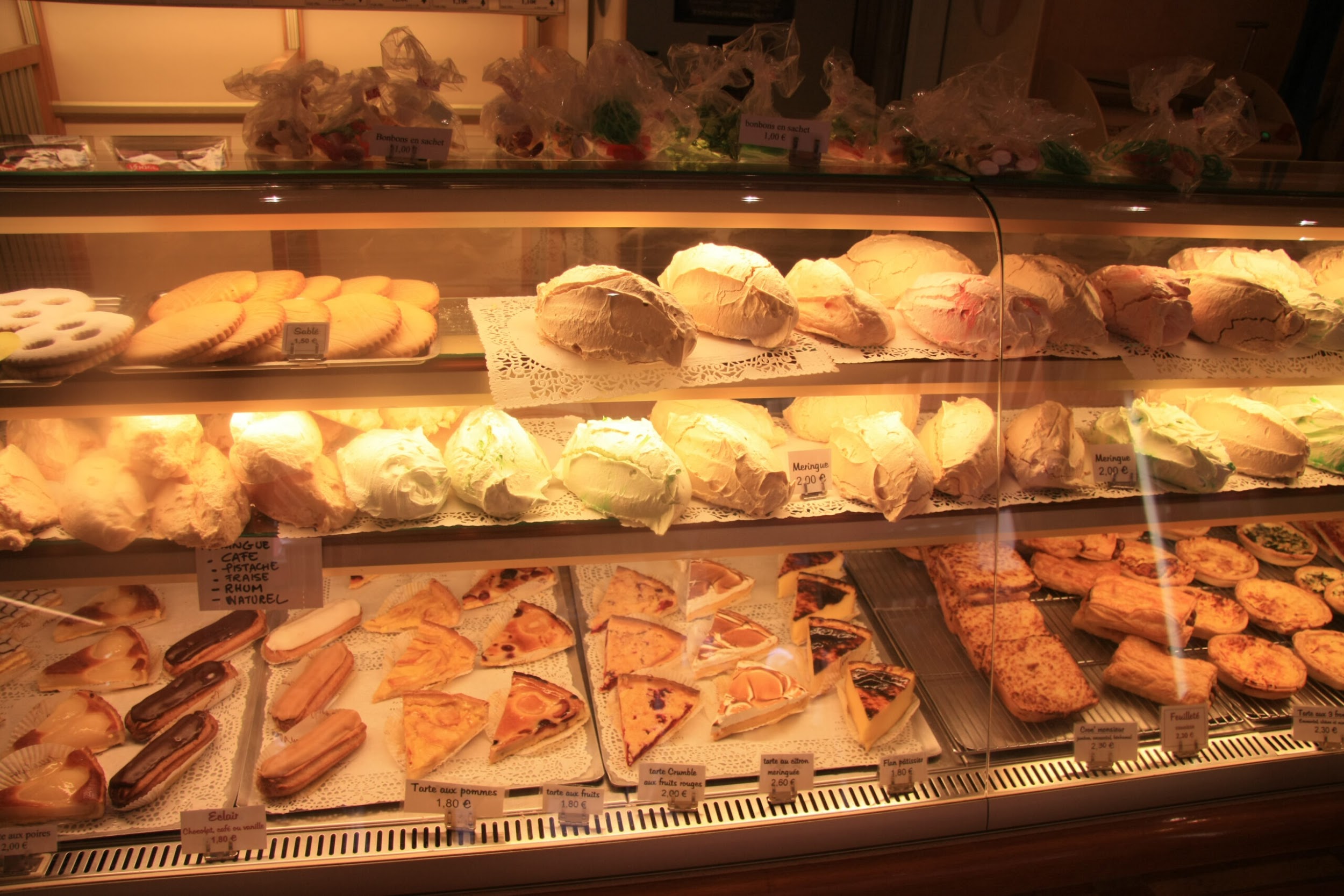
Avoiding glare and reflections that obscure product labels or contents
Packaging plays a critical role in bakery merchandising. Pre-packaged breads, cookies, cakes, and pastries are designed to protect products, maintain freshness, and communicate brand identity. However, packaging can also create challenges when displayed under store lighting. Glare, reflections, and shadows can obscure labels or hide product details, reducing visual appeal and making it harder for customers to assess freshness or quality. Understanding how lighting interacts with packaged bakery goods helps retailers optimize both visibility and presentation, ultimately increasing sales.
Proper bakery display lighting ensures that packaged items remain clear and attractive while maintaining the overall store ambiance. Balancing brightness, color temperature, and fixture placement can prevent visual distractions caused by reflective packaging surfaces such as glossy plastic, shrink wrap, or transparent lids.
How Lighting Impacts Packaged Bakery Goods
Packaged bakery items respond differently to light than unpackaged goods. While bread or pastries on open shelves rely on natural appearance, packaged products rely on clarity for customer engagement. Common issues caused by poor lighting include:
- Glare on transparent plastic windows
- Reflections on shiny labels or foil accents
- Shadows that obscure product details
- Distorted colors of baked goods inside the package
- Reduced visibility of nutritional information or branding
Addressing these issues requires a strategic lighting approach that combines brightness, color quality, and directional control.
Long-tail keywords naturally added: bakery lighting for packaged goods, avoiding glare on packaged bakery products, LED lighting for bakery shelf displays
Choosing the Right Lighting for Packaged Bakery Goods
- Low-Glare LED Lighting: LEDs are ideal for illuminating packaged products because they emit minimal heat and can be equipped with diffusers to reduce glare. Properly diffused LED lights prevent reflections on plastic windows and make product contents easily visible without altering perceived freshness or quality.
- High CPI Lighting for Accurate Color Representation: High-CPI lights ensure that packaged bakery goods look natural. For example:
- Golden-brown breads appear fresh and appetizing
- Cookies retain their baked tones
- Cakes and pastries display true frosting colors
- Labels and packaging graphics remain clear and vibrant
High-CPI lighting is especially important for premium or artisanal brands where visual appearance influences purchasing decisions.
- Neutral Color Temperature for Balance: Neutral color temperatures between 3500K–4000K provide bright visibility without warming or cooling the product tones excessively.
- Warm light can make white packaging appear yellowish
- Cool light may make baked goods look pale
- Neutral light preserves both packaging colors and product appearance
This balance ensures that both the product and the packaging are visually appealing.
- Strategic Fixture Placement:
- The angle and placement of lights are crucial for avoiding glare and reflections:
- Overhead linear lighting provides general illumination
- Adjustable accent lights highlight specific products
- Light angles should minimize direct reflection off glossy surfaces
- Shelves with built-in LED strips offer even, consistent lighting
Correct placement ensures that customers can see through packaging windows clearly, read labels, and assess product quality without visual interference.
Packaging Materials and Their Interaction with Light
Different types of packaging materials respond differently to lighting:
- Clear Plastic Windows: Can reflect strong direct light; use diffused or angled LED lighting.
- Glossy Labels: Shiny surfaces reflect overhead lights; angle lights to reduce glare.
- Matte Packaging: Less reflective but still benefits from high-CPI illumination for accurate colors.
- Foil or Metallic Accents: Highly reflective; position lights to avoid hot spots or shiny reflections.
Understanding the interaction between lighting and packaging materials helps retailers design shelves that are both attractive and functional.
Benefits of Optimized Lighting for Packaged Bakery Products
Properly designed bakery lighting improves both product appeal and customer experience:
- Enhanced Product Visibility. Customers can easily see and assess packaged goods
- Accurate Color Representation. Baked goods appear fresh and appetizing
- Improved Brand Perception.Packaging and labeling remain clear and professional
- Increased Sales Potential.Products that look appealing encourage purchases
- Reduced Waste. Clear visibility helps prevent products from being overlooked and wasted
Using specialized LED bakery lighting with attention to color rendering, brightness, and glare reduction ensures that packaged items consistently look their best.
Tips for Balancing Lighting in Mixed Displays
Many bakeries display both open and packaged products on the same shelves. In such cases:
- Use diffused, adjustable LED lighting that works for both types of displays
- Combine warm ambient lighting for open bakery items with neutral accent lighting for packaged goods
- Maintain even illumination to avoid dark corners where packaged products can appear dull
- Regularly check for glare or reflections after changing shelf layouts
This approach ensures a cohesive, visually appealing display that highlights all products effectively.
Energy Efficiency and Lighting Control
Modern LED bakery lights not only enhance visibility but also reduce energy consumption. Features such as dimming controls, motion sensors, and adjustable angles allow bakery operators to:
- Reduce unnecessary brightness during off-peak hours
- Maintain consistent illumination across shelves
- Extend LED lifespan and reduce operational costs
Energy-efficient LED solutions allow bakeries to invest in high-quality lighting without increasing energy expenses.
Conclusion
Lighting directly impacts how packaged bakery goods are perceived on shelves. Glare, reflections, and poor color rendering can reduce the appeal of breads, cookies, cakes, and pastries, making even the freshest products less attractive. By using low-heat LED lights, high CPI illumination, neutral color temperatures, and careful fixture placement, bakeries can ensure that both packaging and product contents remain visible, clear, and appetizing. Optimized bakery lighting improves customer experience, enhances brand perception, and ultimately supports higher sales.
Call to Action
To explore professional bakery lighting solutions that enhance packaged product visibility while reducing glare and reflections, visit: www.bakerylighting.com