
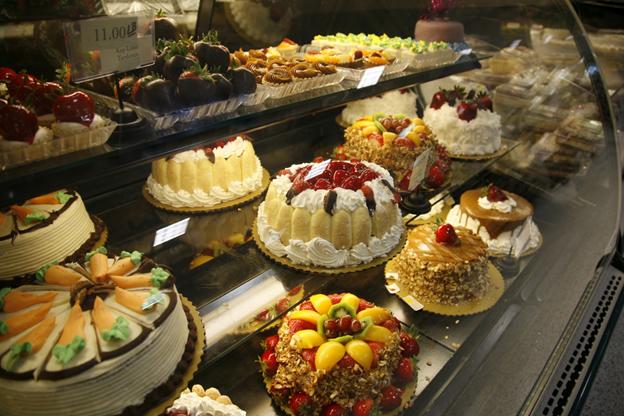
Real-world examples of product loss prevented by food-safe lighting
Bakery operators know that product freshness is critical not only for customer satisfaction but also for minimizing waste. Improper lighting can unintentionally contribute to drying, staling, and discoloration of baked goods, leading to significant product loss. By implementing proper food-safe lighting, bakeries can preserve the quality of breads, pastries, cakes, and packaged goods while maintaining appealing displays that encourage sales.
Modern LED bakery lighting, such as Promolux solutions, combines low heat output, high color rendering, and food-safe technology to prevent damage to sensitive products. Proper lighting helps bakeries reduce waste, maintain customer trust, and improve profitability.
Why Lighting Affects Bakery Product Freshness
Baked goods are highly sensitive to environmental factors. Heat, ultraviolet (UV) light, and high-intensity illumination can accelerate:
- Moisture Loss: Drying out breads, cookies, and pastries
- Staling: Affecting texture and flavor in crusts and crumb
- Discoloration: Fading icings, toppings, or fruit decorations
- Glaze or Frosting Degradation: Causing melted or dull finishes
Even brief exposure to non-food-safe lighting can impact the appearance and shelf life of baked items. Using the right lighting prevents these issues while enhancing the visual appeal of products.
Benefits of Food-Safe LED Lighting
Food-safe LED bakery lights provide multiple advantages:
- Low Heat Output
- Minimizes the risk of frosting, glaze, or chocolate melting
- Prevents excessive moisture loss in breads and pastries
- Maintains product texture and consistency
- UV-Free Illumination
- Protects colors in icings, toppings, and fruit decorations
- Prevents chemical breakdown that can lead to staling or discoloration
- High CPI
- Ensures baked goods look as fresh and vibrant as possible
- Accurately represents golden crusts, frosted cakes, and colorful pastries
- Energy Efficiency
- Reduces electricity costs while maintaining continuous safe illumination for bakery displays
- Proper lighting ensures products remain visually appealing and extend shelf life, reducing unnecessary product loss.
Real-World Examples of Waste Reduction
- Breads and Artisan Loaves: A bakery using traditional incandescent display lighting noticed rapid crust hardening and moisture loss, leading to early staling. After switching to low-heat, food-safe LED lighting:
- Crust remained crisp without drying too quickly
- Loaves maintained moisture and texture for longer
- Unsold products that would have been discarded could instead be sold the next day
- Pastries and Croissants: Delicate pastries with buttery layers often dry out quickly under standard lighting. By upgrading to LED bakery lights:
- Pastries retained flakiness and shine
- Glazes did not crack or dull under display
- Customer complaints decreased and product turnover improved
- Cakes and Frosted Items: Frosted cakes exposed to fluorescent or halogen lights experienced frosting degradation and color fading. With food-safe LED illumination:
- Frostings maintained color and texture
- Icing details remained visually sharp
- Holiday or themed cakes were preserved for extended promotions without sacrificing appeal
These examples demonstrate the practical benefits of using proper lighting to protect bakery products while reducing waste.
Tips for Preventing Drying and Staling with Lighting
- Use Low-Heat LED Fixtures: LEDs produce minimal heat, reducing the risk of moisture loss and maintaining product quality for longer periods.
- Avoid High-Intensity Spotlights Directly on Sensitive Products: Direct, high-intensity light can accelerate drying and staling. Diffused or angled lighting ensures even illumination without damaging items.
- Monitor Display Duration: Rotate products and avoid extended exposure to display lighting, particularly for delicate pastries or fruit-topped items.
- Maintain High CPI for Accurate Product Appearance: Accurate color rendering prevents customers from perceiving products as stale or discolored.
- Integrate Lighting with Display Case Temperature: Ensure that refrigerated cases or ambient shelves are properly balanced with lighting to minimize heat and moisture loss.
The Role of Visual Appeal in Reducing Waste
Products that look fresh are more likely to be purchased quickly. Proper lighting:
- Enhances golden-brown crusts, flaky layers, and glossy toppings
- Makes cookies, pastries, and cakes appear vibrant and appetizing
- Encourages impulse purchases, reducing the likelihood of leftover or discarded products
When baked goods are displayed under optimal lighting, customer perception of freshness improves, directly contributing to reduced waste.
Conclusion
Proper lighting is more than just an aesthetic consideration in bakeries.it directly impacts product freshness, quality, and waste reduction. Food-safe LED bakery lights, such as Promolux solutions, minimize heat and UV exposure, preserve color and texture, and extend the shelf life of breads, pastries, cakes, and packaged items. By implementing low-heat, high-CPI lighting, bakeries can reduce drying and staling, enhance customer experience, and improve profitability. Combining careful light direction, optimal intensity, and appropriate display practices ensures that bakery products remain fresh, appealing, and ready for purchase while minimizing unnecessary waste.
Call to Action
For food-safe LED lighting solutions that protect baked goods and reduce waste in your bakery, visit: www.bakerylighting.com